

Many people fall in love with the beauty of a white husky dog. The bright coat, blue eyes, and wolf-like look feel special. But living with a white husky is different from simply admiring one in photos. This guide explains what they are really like, how to care for them, and whether this breed is the right fit for your home.
We will talk about temperament, exercise, training, health, and common myths. You will also learn how they compare to mixes like the samoyed husky mix or the husky poodle mix. By the end, you should feel confident making an informed decision.
What Is A White Husky?
A white husky is usually a Siberian Husky with a pure white coat. The coat color happens due to genetics. The dog is still a husky in every way, only with lighter fur.
Some people confuse an all white husky with an albino husky. These are not the same. Albino dogs lack pigment and usually have pink noses, pale eyes, and higher health risks. True albinism is rare. If you are unsure, your veterinarian can confirm.
White Husky vs Albino Husky

Explain that a white coat does not mean albinism. Discuss how to identify albinism. Note possible eye and skin sensitivity in albino dogs. Encourage consulting a vet for proper diagnosis.
White Husky Temperament: What To Expect
Huskies are smart, social, and energetic. They love people. They enjoy being part of family routines. But they also test boundaries. They need structure, daily exercise, and mental work.
Many new owners ask: are huskies aggressive? In most cases, no. A well-bred, well-trained, and well-socialized husky is not naturally aggressive. Problems usually come from boredom, lack of training, or poor breeding. If you see signs like repeated guarding or biting, work with a qualified trainer.
Common Temperament Mistakes
Owners sometimes expect huskies to act like guard dogs. They usually do not. Others underestimate their drive to run and explore. This leads to escapes and behavior problems. Secure fencing, recall training, and daily activity help prevent trouble.
Husky Lifespan And Health
On average, husky lifespan ranges from 12 to 15 years. Many live longer with good diet, exercise, and routine veterinary care.
Common health issues include:
- Hip problems
- Eye conditions
- Skin problems related to allergies
Regular checkups allow early treatment. Ask your vet about genetic screening if you are buying from a breeder.
Call your vet if your dog shows eye cloudiness, sudden lameness, constant itching, or unusual weight loss. Early care matters.
Coat Care And Grooming
The white coat looks stunning but requires consistent grooming. Huskies shed year-round. They also “blow coat” seasonally, meaning heavy shedding two times a year.
Brush several times weekly. Use a good undercoat rake. Avoid shaving. Their coat protects them from heat and cold. Bathing should be occasional unless the dog is visibly dirty.
The husky tail also plays a role in temperature regulation. Many huskies curl their tail over their nose when sleeping. This keeps warmth close.
Exercise And Training Needs
Huskies were bred for work. Without enough activity, they chew, dig, bark, and escape. Plan for at least 60 to 90 minutes of activity daily.
Training should start early. Use rewards, patience, and consistency. Huskies respond poorly to harsh punishment. Mental games, puzzle toys, and structured walks help.
If behavior feels beyond your skill, involve a certified trainer.
Types And Mixes People Often Consider
Some owners look at other breeds or mixes while researching white huskies. Here is what to know.
Samoyed Husky Mix

Usually friendly and fluffy, but still very energetic. Needs brushing and regular activity.
Husky Poodle Mix Or Poodle Husky Mix

Often marketed as “hypoallergenic” but that is not guaranteed. Coat care can be high. Training and exercise still required.
Teacup Husky

A “teacup husky” is not an official breed. Many are simply small, sometimes unhealthy dogs bred poorly. Be careful. Always question any breeder using this label.
Komondor Dog Compared To Huskies
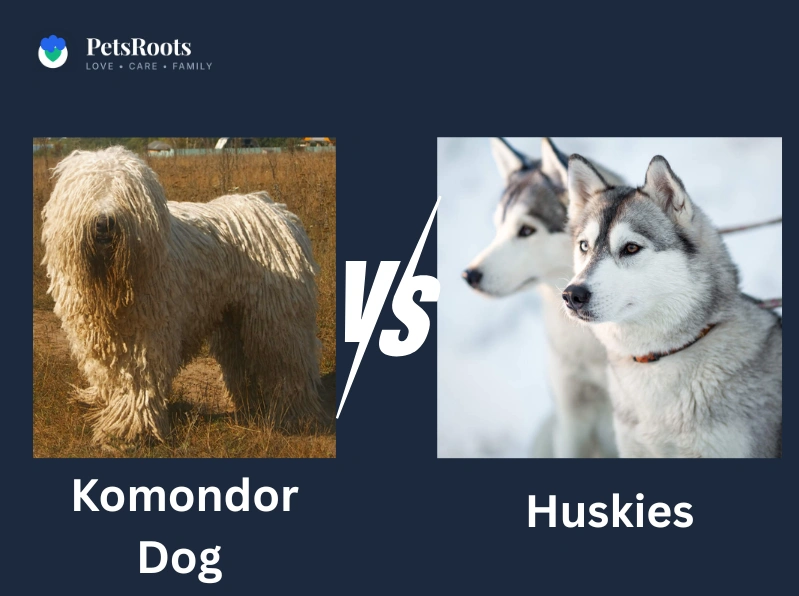
The komondor dog is a livestock guardian breed with a corded coat. It has a very different temperament and work drive compared to a husky. Do not choose based on looks alone. Always match a breed to your lifestyle.
Cost And Responsible Buying
Ethical breeders health test, socialize puppies, and discuss realistic expectations. Avoid buying based only on color.
Red flags:
- “Teacup” advertising
- No health records
- Refusal to let you meet parents
- Very low price or fast delivery promises
Adoption is also a great option. Many huskies enter shelters because owners underestimated their needs.
Living With A White Husky: Daily Life
Expect hair on your clothes. Expect escape attempts if yards are not secure. Expect high energy, playfulness, and stubborn moments. Expect loyalty and fun once you meet their needs.
Provide:
- Secure fencing
- Daily exercise
- Enrichment toys
- Training routines
- Vet care and quality food
FAQs About White Huskies
Do white huskies shed more?
No. Shedding depends on the coat type, not just color.
Are white huskies rare?
They are less common than gray or black, but not extremely rare.
Can white huskies live in warm climates?
Yes, if managed correctly. Shade, water, grooming, and avoiding heat stress are essential. Talk to your vet if unsure.
Are huskies good with kids?
Often yes, when supervised and trained. Teach children how to interact safely.
Can I keep a husky in an apartment?
Possible, but only if you commit to daily exercise and mental enrichment.
Conclusion
A white husky is beautiful, playful, and full of personality. But this breed is not “easy.” They need time, training, space, and commitment. When their needs are met, they make incredible companions. If you are unsure, talk with breeders, rescue groups, and your veterinarian before deciding. Good preparation leads to happier dogs and happier families.