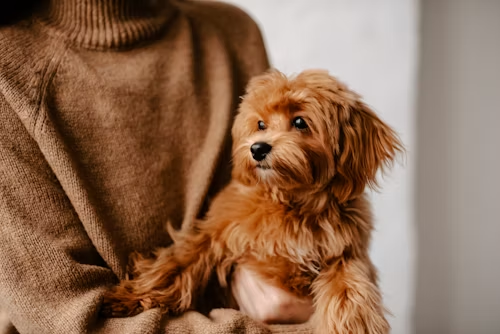

Fluffy Hair Guide: Dogs, Grooming Tips, Cute Styles, and What Really Creates That Soft, Full Look
Introduction
Fluffy dog coats are one of the most loved features among dog owners because they create a soft, teddy-bear-like appearance that is both adorable and eye-catching. Whether you already own a fluffy breed or are planning to adopt one, understanding how coat texture works is important for keeping your dog healthy and well-groomed. This guide explains what makes a dog’s hair fluffy, how to maintain it, and which breeds naturally have the fullest coats. You can also explore more dog care guides at https://petsroots.com/.
What Makes a Dog’s Hair Fluffy?
A dog’s fluffy coat is influenced by several biological and environmental factors. Genetics plays the biggest role, but grooming, diet, and overall health also contribute significantly.
Key factors that create fluffiness:
- Genetic coat structure and breed type
- Presence of a dense double coat
- Balanced nutrition and hydration
- Regular brushing and grooming habits
- Healthy skin condition
Most fluffy dogs have a double coat, where the undercoat provides insulation while the outer coat protects against dirt and weather. When brushed properly, the fur separates and appears fuller and softer.
However, without maintenance, even fluffy coats can become tangled or matted. Regular care keeps the coat clean, airy, and healthy.
Popular Fluffy Dog Breeds
Many dog lovers are attracted to breeds known for their soft and voluminous coats. These breeds vary in size, energy level, and grooming needs.
Common fluffy dog breeds include:
- Samoyed
- Bichon Frise
- Chow Chow
- Pomeranian
- Great Pyrenees
- Keeshond
- Old English Sheepdog
Toy-sized fluffy breeds:
- Maltese
- Shih Tzu
- Havanese
- Toy Poodle
Large fluffy breeds:
- Bernese Mountain Dog
- Newfoundland
- Leonberger
Some long-haired fluffy breeds like the Afghan Hound and Tibetan Mastiff require advanced grooming due to their thick coats. You can learn more about breed differences at https://petsroots.com/dog-breeds-overview.
Fluffy Curly-Coated Dogs
Not all fluffy coats are straight or wavy. Many dogs have curly coats that create a different kind of fluffiness. These curls trap air and give the coat a dense, soft appearance.
Curly fluffy breeds include:
- Poodle
- Portuguese Water Dog
- Bichon Frise
- Lagotto Romagnolo
- Bouvier des Flandres
Curly coats often require more frequent brushing because curls can trap dirt and form knots quickly. However, when well-maintained, they give a very plush, teddy-like appearance that many owners love.
How to Make a Dog’s Hair Fluffy
Fluffiness is not magic—it comes from consistent grooming and proper care. Even naturally fluffy breeds need maintenance to keep their coats looking full and soft.
Steps to improve coat fluffiness:
- Use a mild, coat-friendly dog shampoo
- Brush the coat after bathing while drying
- Brush 3–5 times per week
- Use a slicker brush for undercoat care
- Apply light conditioning sprays if needed
Brushing helps lift the fur and separate the undercoat, making the coat appear fuller. Regular grooming also improves airflow through the coat, keeping the skin healthier.
For additional grooming advice, visit https://petsroots.com/dog-grooming-tips.
Grooming Tips for Thick and Long Coats
Long-haired and fluffy dogs need more maintenance compared to short-haired breeds. Without proper care, their coats can quickly develop mats and tangles.
Essential grooming practices:
- Brush several times per week
- Focus on problem areas like behind ears and legs
- Trim hair around paws and eyes carefully
- Use professional grooming every 4–8 weeks
- Never shave double-coated breeds
Shaving a double-coated dog can damage natural insulation and affect temperature regulation. Professional groomers are recommended for full coat trims to ensure safety and proper styling.
Choosing the Right Fluffy Dog
While fluffy coats are attractive, they should not be the only factor when choosing a dog. Lifestyle compatibility is equally important.
Things to consider before choosing:
- Living space size (apartment vs house)
- Daily exercise availability
- Grooming commitment and cost
- Temperament and energy level
- Time available for training and care
Smaller fluffy breeds are often better suited for apartments, while larger fluffy breeds require more space and outdoor activity. Understanding your lifestyle helps ensure a long-term match.
You can also explore compatibility tips at https://petsroots.com/dog-lifestyle-guide.
Dog Nutrition and Coat Health
A dog’s diet directly affects coat quality. Healthy skin produces healthier, shinier, and fluffier fur.
Important nutrients for coat health:
- High-quality animal protein
- Omega-3 and omega-6 fatty acids
- Vitamins A, E, and B-complex
- Proper hydration
- Balanced calorie intake
Good nutrition reduces shedding and improves coat texture. Many owners use feeding guides or dog calculators to maintain ideal weight and nutrition balance.
Using a Dog Calculator for Coat Maintenance
Dog calculators help owners manage weight, calorie intake, and daily care routines. While they do not directly create fluffiness, they support overall health, which reflects in coat quality.
Benefits include:
- Proper portion control
- Weight management
- Exercise planning
- Grooming schedule support
- Health tracking assistance
Healthy dogs naturally develop better coat texture due to improved skin condition and balanced nutrition.
Final Thoughts
Fluffy dog coats are a combination of genetics, grooming, nutrition, and overall health. While some breeds naturally have fuller coats, every dog benefits from proper care and maintenance.
Regular brushing, a balanced diet, and routine grooming are essential for achieving and maintaining a soft, voluminous coat. Whether you own a curly, long-haired, or double-coated breed, consistency is the key to keeping your dog’s fur healthy and beautiful.
With the right care and attention, your dog’s coat can stay fluffy, clean, and full of life all year round.