

Bringing a German Shepherd into your life can feel exciting and a little overwhelming. This breed is smart, loyal, powerful, and intense. Many people love German Shepherds, but not everyone understands what it takes to raise one well. This guide helps you decide whether the breed fits your home, and shows you how to care for one the right way.
What makes the German Shepherd special
The German Shepherd is confident, alert, and highly trainable. These dogs were bred to work. They think fast, read human body language well, and like having a job.
That is why you see them as service dogs, police dogs, search-and-rescue partners, and family companions. The same traits that make them incredible workers also mean they need structure, exercise, and time with their people. When those needs are ignored, behavior problems build.
Are German Shepherds good family dogs?
Yes, in the right homes. A German Shepherd can be a loving, stable family dog when:
- you train early
- you set rules
- you give daily exercise and mental work
- you supervise around children
They are protective by nature. That can be helpful, but it can become a problem if owners encourage “guarding” without proper training.
Are German Shepherds good with kids?
Many German Shepherds do well with respectful children. They are patient and often form strong bonds. Trouble usually happens when kids pull, chase, corner, or tease the dog or when adults assume the dog will “just know” what to do.
Teach children how to behave around dogs. Always supervise. If you see fear, stiffness, growling, or snapping, contact a qualified trainer or behavior professional early.
Types of German Shepherds explained
There are different types of german shepherds, mostly based on breeding goals.
Some lines are bred for work: police, military, sport, and protection. Others are bred for shows and looks. Working lines usually have more drive and need more structure. Show lines may be calmer but can have more structural problems if bred poorly.
Ask breeders clear questions about health testing, temperament, and purpose. Avoid anyone who cannot answer directly.
Coat types: short and long
When people talk about types of german shepherds, they often mean coat length.
A short haired german shepherd has a dense double coat that protects from heat and cold. A long-coated dog has feathering and a fuller look. Both shed. Both need grooming. Coat length does not change personality.
Miniature German Shepherd: what it really means
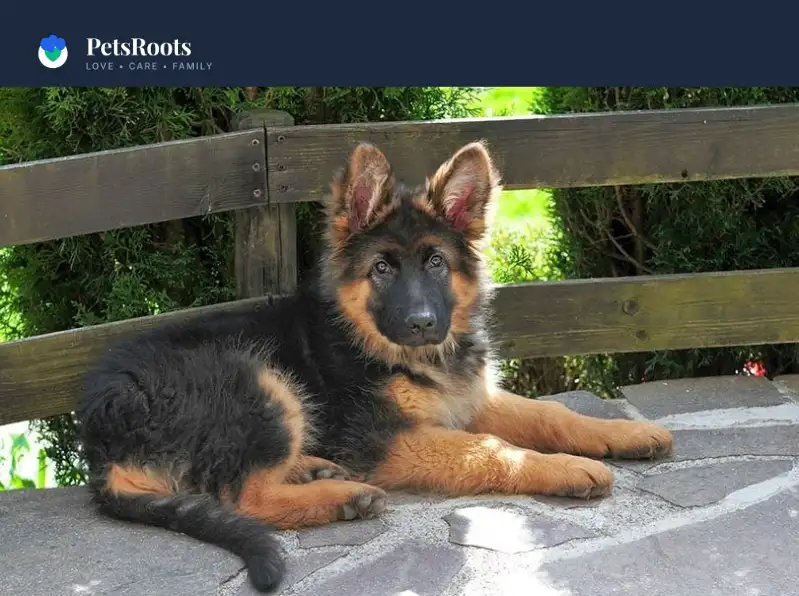
A true “miniature german shepherd” does not exist as an official breed. The term is usually used for mixed dogs, undersized dogs, or dogs with dwarfism.
Some sellers use this label to charge more money. Small size can also come with health problems. If you want a smaller shepherd-type dog, talk honestly with reputable rescues or breeders about good alternatives.
German Shepherd colors and rare variations
German shepherd colors vary more than people realize. Common colors include black, bi-color, sable, and black-and-tan. Color does not make the dog better or worse. Health and temperament matter far more.
Grey german shepherd dogs look smoky or wolf-like because of genetics, not because they are part wolf. A liver colored german shepherd has a chocolate-brown tone caused by a recessive gene. It is rare but still purebred.
People sometimes call light-coated shepherds “blonde dogs.” In most cases, they are diluted sable shades, not a separate type.
Shepherd breeds that look similar
Many shepherd breeds get mistaken for German Shepherds. Knowing the difference helps you choose the right dog.
Dogs that look like german shepherds include Belgian Malinois, White Swiss Shepherds, and several livestock guardian breeds. They may look similar, but their needs are not the same.
Swiss shepherd and White Swiss Shepherd Dog
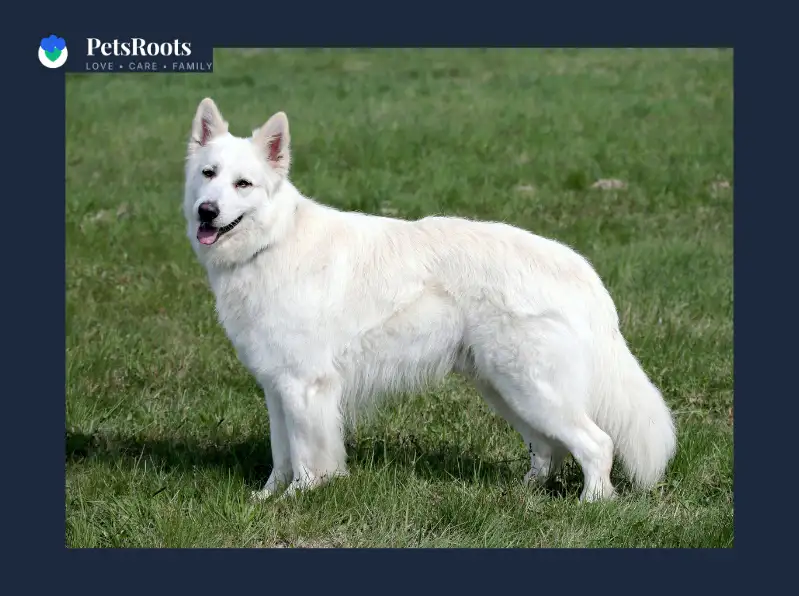
The white swiss shepherd dog (also called swiss shepherd) is gentle, sensitive, and usually less intense than many working-line German Shepherds. They are not “albino shepherds.” They are a separate breed with their own history.
Central Asian Shepherd Dog (Asian Shepherd)
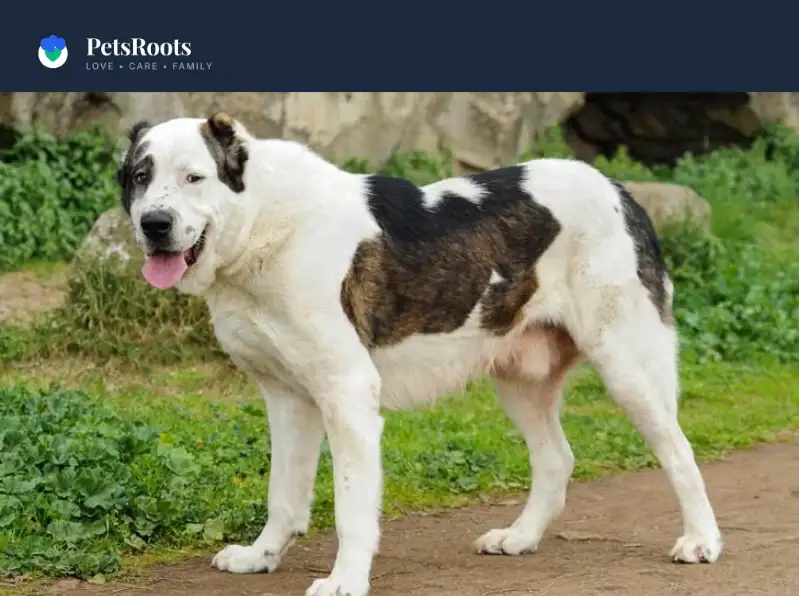
The central asian shepherd, also known as the central asian shepherd dog or asian shepherd, is a livestock guardian, not a German Shepherd type. These dogs are independent, extremely protective, and meant for experienced homes. They are not ideal family pets for most people.
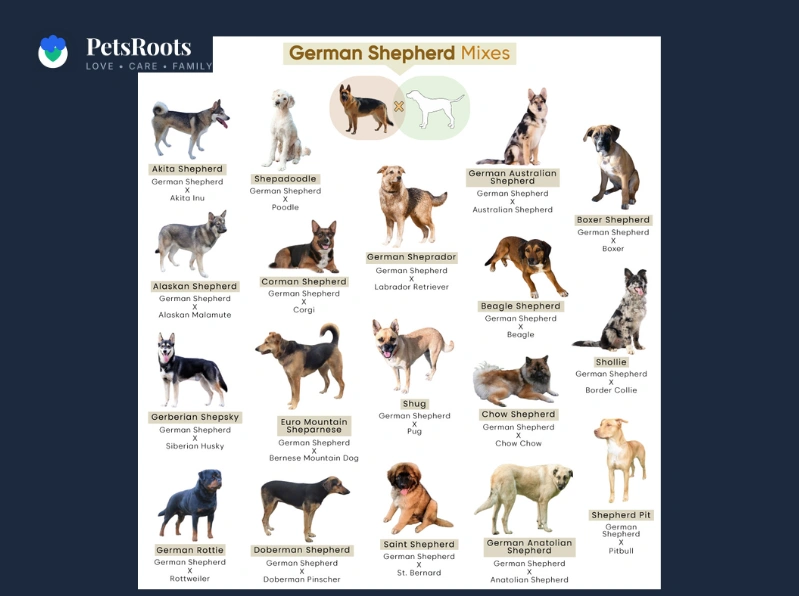
Popular German Shepherd mixes
Mixed dogs can be wonderful, but they come with unknown traits.
German Shepherd Great Pyrenees mix
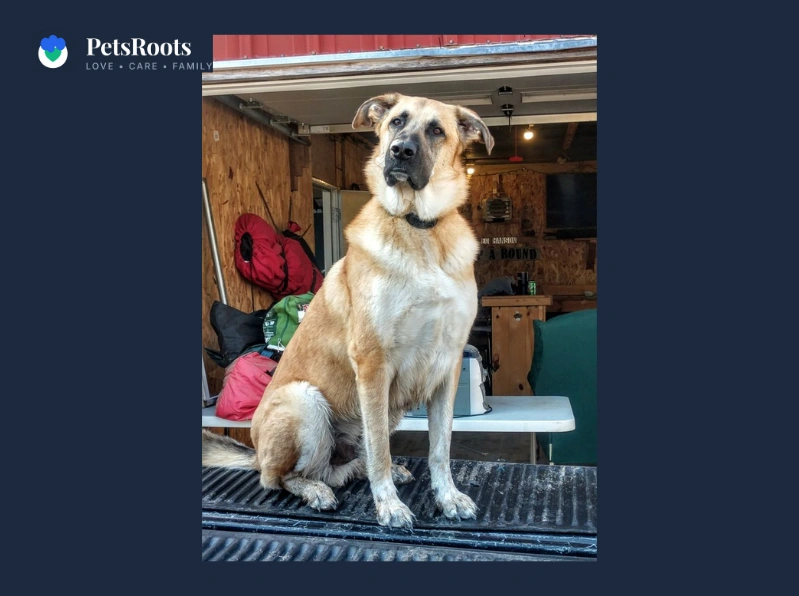
This mix is usually large, fluffy, and protective. Expect heavy shedding and strong guarding instincts. Without proper training and fencing, they can become difficult to manage.
German Shepherd Poodle mix
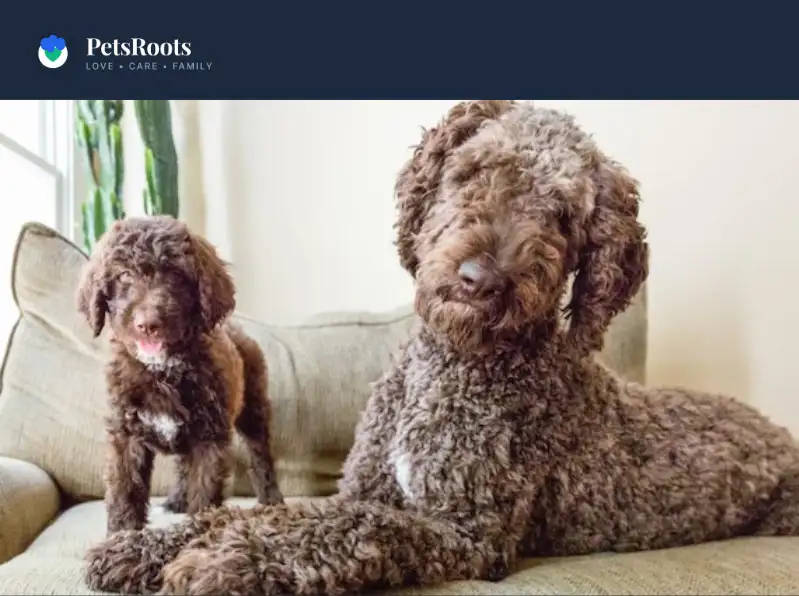
The german shepherd poodle mix is often marketed as “hypoallergenic.” That is not guaranteed. Some shed. Some do not. They need grooming, exercise, and training. Choose breeders who health-test both parents.
Health, lifespan, and grooming
The german shepherd lifespan averages about 9–13 years. Diet, genetics, exercise, and preventive care all matter. Common issues include joint problems, allergies, and digestive troubles.
Call your vet if you see limping, sudden weight loss, weakness, or ongoing stomach problems. Early care often prevents worse outcomes.
Do German Shepherds shed?
Yes. A lot. They shed year-round and “blow coat” seasonally. Regular brushing, baths when needed, and a high-quality diet help. Shaving is not recommended. Their double coat protects their skin.
German Shepherd price and long-term costs
German shepherd price varies widely. Puppies from ethical breeders usually cost more because of health testing, responsible care, and support.
The purchase price is only the beginning. Expect to budget for:
- food
- vet visits
- training
- grooming tools
- insurance or emergency care
Cheap puppies often come from poor breeding situations and may cost more later in medical bills.
Training and daily care basics
Training is not optional. This breed needs direction and a clear routine.
Socialization and obedience
Expose your dog safely to people, places, and sounds from a young age. Teach basic commands. Reward calm behavior. Avoid harsh punishment. If behavior worries you, bring in a professional sooner rather than later.
Exercise needs
A bored German Shepherd creates its own “job,” like digging, barking, or chewing. Daily walks, training sessions, puzzle toys, and play make life easier for everyone.
Female German Shepherd names
Choose names that are easy to say and hear during training. Short, clear names work best: Luna, Nala, Nova, Freya, Zara, or Maya are popular ideas. Pick something you like saying every day.
Quick comparison: German Shepherds vs other shepherd breeds
Shepherd breeds were developed for different jobs. Some guard livestock. Some herd. Some work closely with people. Do not choose based only on looks. Think about temperament, lifestyle fit, and long-term commitment.
Common mistakes new owners make
- choosing based on color or price
- skipping training
- not giving enough exercise
- ignoring early behavior problems
- buying from careless breeders
Most of these problems are preventable with education and planning.
When to talk to a vet or trainer
Contact a veterinarian for health concerns, sudden behavior changes, weight loss, or pain. Call a certified trainer or behavior consultant if you see aggression, fear, or resource guarding. Getting help early protects both the dog and the family.
Frequently asked questions about German Shepherds
Are German Shepherds good family dogs?
They can be, but they need time, consistency, and training. They are not a “set and forget” breed.
Are German Shepherds good with kids?
Often yes, with supervision and rules. Never leave dogs and small children alone together.
Do German Shepherds shed a lot?
Yes. Plan for regular grooming.
How long do German Shepherds live?
Most live around 9–13 years, depending on genetics and care.
What is the price of a German Shepherd puppy?
Prices vary by location and breeder quality. Focus on health testing and transparency, not the lowest cost.
What is the difference between German Shepherds and White Swiss Shepherds?
They look similar, but they are separate breeds with different histories and slightly different temperaments.
Conclusion
German Shepherds are impressive, capable, and deeply loyal dogs. They thrive in homes that provide structure, training, and daily activity. They struggle in homes that expect them to raise themselves.
If you take the time to understand the breed — including its care needs, temperament, and real costs — a German Shepherd can be an incredible partner and friend. And when something feels off, do not guess. Call your vet or a qualified trainer. Good guidance keeps both you and your dog safe.


