
Many people fall in love with the Bichon Frise because of the fluffy coat and sweet face. But living with this breed is more than looks. This guide helps you understand what the breed is really like, how to care for one, and how to avoid common mistakes so you can make a smart, kind choice for your home.
What is a Bichon Frise
The Bichon Frise is a small companion dog with a soft, curly coat and an alert, happy look. The breed comes from old Mediterranean lap dogs that traveled with sailors and later became popular in royal courts. Today, most Bichon Frise dogs live as family pets, staying close to their people and enjoying attention.
Key traits of the Bichon Frise
The Bichon Frise has a gentle nature. Most are playful, curious, and social. They want to be near family and often follow their owners from room to room. This loyalty is charming. It can also cause problems if the dog never learns how to be calm when alone.
Personality and behavior
A well raised Bichon is friendly with visitors and usually kind with children. They enjoy games, short walks, and quiet time on the couch. Many bark to alert, especially if bored. Clear training and routine help them feel more secure.
Size, weight, and growth
Most adult Bichon Frise dogs weigh between 5 and 8 kilograms. They reach full height by about one year, then fill out slowly. Feeding the right amount and avoiding too many treats keeps the joints and heart healthy.
Coat type and colors, including bichon frise brown
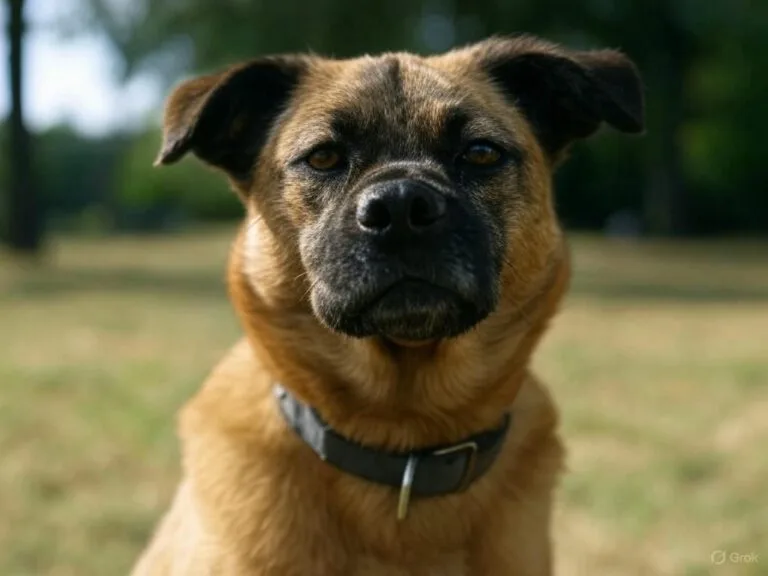
The coat is thick, curly, and usually white. Sometimes people search for “bichon frise brown”. Purebred Bichon Frise do not grow true brown coats. What owners see is often tear staining, dirt, or a mixed breed. A reliable breeder or vet can explain the difference and help you care for stains safely.
Bichon Frise pros and cons
This breed brings joy to many homes. It also asks for steady work. Knowing both sides helps prevent regret and rehoming.
Why people love this breed
They shed very little. They are cheerful and adaptable to apartments and small homes. They usually get along with other pets when introduced slowly and with care.
Common drawbacks
The coat needs frequent grooming. The breed can be stubborn in house training. Some bark more than expected. Skin and eye problems may appear. Planning ahead reduces stress for both owner and dog.
Caring for a Bichon Frise
Daily care matters more than rare big efforts. Small habits build a healthier, calmer dog.
Daily exercise needs
Two short walks and a few play sessions are usually enough. Games like fetch, gentle tug, and food puzzles keep the mind active. Without movement, many Bichon Frise dogs develop bad habits such as barking or chewing.
Feeding and nutrition basics
Choose a complete, balanced dog food that fits your dog’s age and size. Measure meals. Watch body shape instead of only watching the scale. Avoid feeding table scraps. If you see vomiting, diarrhea, itching, or sudden weight change, call your vet.
Grooming routine
Brush the coat at least three to four times per week. Schedule professional grooming every four to six weeks. Keep the hair around the eyes clean. Dry the ears after baths to lower the risk of infection. Do not use harsh products or home remedies. If mats form, ask a groomer to remove them. Pulling or cutting at home can hurt the skin.
Training a Bichon Frise the right way
Training should be patient and consistent. This breed learns best with rewards and short, positive sessions.
House training tips
Take your dog outside often. Use the same spot. Praise every success. Crate training helps prevent accidents and gives the dog a safe place to relax. Punishment delays learning and damages trust.
Socialization
Expose your puppy to people, sounds, and gentle dogs in controlled settings. Start early but keep each experience calm. Socialization helps prevent fear later.
Solving common behavior problems
If barking becomes a habit, teach a quiet cue and reward calm behavior. Provide toys to manage chewing. Separation anxiety needs slow training and structure. If problems become severe, consult a certified trainer or your vet.
Health and lifespan
Most Bichon Frise dogs live 12 to 15 years. Many stay active into senior life when they receive regular preventive care.
Common health issues
Some develop allergies, ear infections, knee problems, and dental disease. Watch for limping, itching, bad breath, shaking of the head, or changes in appetite. Early treatment protects long term health.
Preventive care
Routine checkups, vaccines, parasite control, dental cleaning, and weight control matter. Ask your vet for a yearly plan that fits your dog’s age and lifestyle.
Cost of owning a Bichon Frise
Initial costs include purchase or adoption fees, first vet visits, spay or neuter, basic training, and supplies. Ongoing costs include quality food, grooming appointments, vaccines, dental care, and emergency care. Planning a budget prevents tough choices later.
Is a Bichon Frise right for you
This breed suits families who are home often, enjoy grooming routines, and like to train gently. It may not suit people who travel constantly or want a dog that can stay alone for long hours.
FAQs about Bichon Frise
Do Bichon Frise shed
They shed very little, but loose hair stays in the coat. That is why regular brushing and grooming are still important.
Are Bichon Frise good family dogs
Yes, when trained kindly and supervised with young children. Teach kids to respect space and handle gently.
Can a Bichon Frise stay alone at home
Short periods are fine with training. Long hours can lead to stress. Use safe toys, slow training, and ask a trainer if your dog cries or destroys things.
Are Bichon Frise hypoallergenic
They may trigger fewer allergies than many breeds. No dog is fully allergy free. People with strong allergies should meet the dog first and talk to a doctor.
Why do some people search for bichon frise brown
Most are looking at staining, a mix, or the wrong breed. True brown coats do not occur in purebred Bichon Frise. Ask a vet or trusted breeder if you are unsure.
Conclusion
The Bichon Frise is a bright, loving companion that rewards patient care, steady training, and regular grooming. If you understand the work, plan ahead, and ask your vet or trainer when you need help, this little dog can make a gentle and loyal friend for many years.