
Many people love the look of Pitbulls but want a smaller dog. That is why the “teacup mini Pitbull” is getting attention. The problem is that this type of dog is often misunderstood. Some breeders use clever marketing instead of honesty. This article explains what a teacup mini Pitbull really is, what to expect, and how to choose safely.
What is a Teacup Mini Pitbull
A teacup mini Pitbull is not an official dog breed. It is usually a very small Pitbull mix. Breeders may create them by mixing Pitbulls with small breeds, breeding runts together, or sometimes underfeeding puppies. This is why research matters. A healthy dog should never be bred or raised in harmful ways.
Always ask what breeds were used. Ask to see the parents. If a breeder refuses, walk away. It protects your money and, more importantly, the dog.
Size and Appearance
Most teacup mini Pitbulls weigh around 8 to 25 pounds. They keep the wide head and strong chest people expect from Pitbull types. They just look smaller. The coat is short, smooth, and easy to brush. Colors may include blue, brown, white, black, brindle, and mixed coats.
Do not choose only based on looks. Focus first on health and temperament. A small dog with big health issues is not a bargain.
Temperament and Behavior
Even though they are small, teacup mini Pitbulls are usually strong, playful, and people focused. Many enjoy training and want to be part of family life. Without guidance, they can become stubborn or overexcited. Early training helps them learn what is okay and what is not.
Positive reinforcement works best. Avoid harsh punishment. If behavior becomes difficult or confusing, a certified dog trainer can help.
Common Health Problems
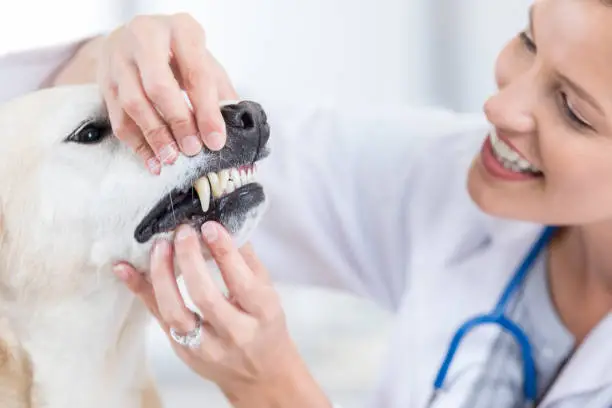
Because of the way some are bred, health risks can be higher. Possible issues include joint problems, breathing trouble, allergies, dental issues, and fragile bones when bred too small. Poor breeding increases these risks.
Ask for health testing on the parents. A responsible breeder shares medical records. If your puppy shows pain, weakness, coughing, or strange behavior, call your vet. Early care prevents bigger problems.
Exercise and Daily Care
Even as small dogs, they still need exercise. Short walks, playtime, and mental games help release energy. Overworking puppies is risky, so watch for signs of fatigue. A yard is helpful but not required if you provide movement every day.
Feed a balanced, high quality diet made for small dogs. Avoid overfeeding. Extra weight stresses joints. Fresh water must always be available.
Training and Socialization
Start training early. Teach sit, stay, come, leave it, and walking calmly. Keep sessions short and repeat daily. Socialize your puppy with calm dogs, gentle kids, and new places. This builds confidence and prevents fear.
If you feel unsure, a professional trainer or behaviorist is worth it. Training creates safer, happier dogs.
Cost of a Teacup Mini Pitbull
Prices vary widely. Some breeders charge high amounts because the dog is “rare.” Be careful with that word. Expect costs for food, grooming needs, vet visits, vaccines, spay or neuter, and emergencies.
A responsible breeder usually costs more but reduces risk later. Adoption is another good option and often includes vet care.
Is a Teacup Mini Pitbull Right for You
This dog fits households that can give time, training, and gentle structure. It is not a toy dog. It needs exercise, attention, and rules. If you want a quiet lap dog, this may not be the best choice. If you want an active companion in a smaller body, it may be a match.
When to Call a Vet or Trainer
Call your vet if you see breathing problems, limping, sudden weight loss, vomiting, diarrhea, or changes in appetite. Call a trainer if your dog shows fear, aggression, guarding, or nonstop barking.
Common Questions
Do teacup mini Pitbulls stay small?
They stay smaller than standard Pitbull types, but final size depends on genetics. Ask the breeder about adult size of parents.
Are they good with kids?
They can be loving with respectful children. Teach kids how to handle dogs gently. Always supervise.
Do they shed?
Yes, but shedding is usually light. Regular brushing helps.
How long do they live?
Often 10 to 14 years when healthy and well cared for, though poor breeding can reduce lifespan.
Can they live in apartments?
Yes, if they get exercise and training every day.
Conclusion
A teacup mini Pitbull can be a wonderful companion when bred responsibly and cared for well. Take time to research breeders, ask questions, and plan for health and training needs. Choose based on welfare, not hype. If something feels wrong, trust your instinct and look elsewhere.