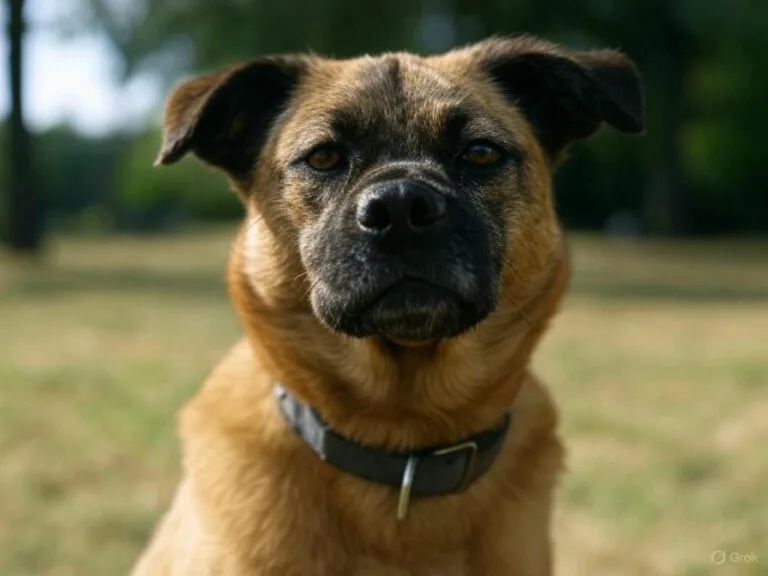

Bordetella in dogs is a common bacterial infection associated with kennel cough, a contagious respiratory illness that affects dogs of different ages and breeds. It can cause a persistent cough, sneezing, nasal discharge, and throat irritation. Although many dogs experience mild symptoms, the infection can sometimes lead to more serious respiratory problems, particularly in puppies, older dogs, and pets with weakened immune systems.
Bordetella can spread quickly in places where dogs spend time together, such as boarding facilities, dog parks, grooming salons, and animal shelters. Understanding its symptoms, causes, treatment, and prevention can help dog owners protect their pets and recognise when veterinary care is necessary.
What Is Bordetella in Dogs?
Bordetella in dogs is an infection commonly caused by a bacterium called Bordetella bronchiseptica. It is one of the main organisms associated with canine infectious respiratory disease complex, commonly known as kennel cough.
Kennel cough is not caused by just one pathogen. Several bacteria and viruses can contribute to respiratory infections in dogs. Bordetella bronchiseptica can damage the protective lining of the respiratory tract, making it easier for other infectious organisms to cause illness.
Most healthy adult dogs recover with appropriate care, but some animals may develop complications such as pneumonia.
Common Bordetella Symptoms in Dogs
The symptoms of Bordetella can vary depending on the dog’s age, health, and the severity of the infection. The most recognisable sign is a dry, persistent cough that may sound like honking or gagging.
Common Bordetella symptoms in dogs include:
- Persistent dry or harsh coughing
- Gagging or retching after coughing
- Sneezing
- Runny nose
- Watery eye discharge
- Mild fever
- Reduced energy
- Decreased appetite
- Occasional vomiting or bringing up foam after coughing
Some dogs remain active and continue eating normally despite having a cough. However, worsening symptoms should never be ignored.
When to contact a vet: Seek veterinary advice if your dog has a persistent cough. Contact a veterinarian promptly if your pet develops difficulty breathing, marked weakness, a high fever, or refuses food and water.
How Do Dogs Get Bordetella?
Bordetella spreads mainly through respiratory droplets released when an infected dog coughs or sneezes. Dogs can become infected by breathing in these droplets or coming into contact with contaminated objects and surfaces.
Common situations that increase the risk include:
- Dog parks: Close contact with other dogs can increase exposure.
- Boarding kennels: Many dogs share indoor spaces and common facilities.
- Grooming salons: Dogs may come into contact with infected animals or contaminated equipment.
- Animal shelters: Crowded environments can make respiratory infections easier to spread.
- Training classes and daycare: Regular contact with unfamiliar dogs increases exposure.
Dogs can also become infected through contaminated food bowls, toys, bedding, and other shared items.
Is Bordetella Contagious in Dogs?
Yes, Bordetella is contagious and can spread between dogs, especially in places where animals have close contact.
An infected dog may spread the bacteria through coughing, sneezing, and respiratory secretions. The risk of transmission can be higher in poorly ventilated or crowded environments.
If your dog develops symptoms of kennel cough, keep it away from other dogs and avoid dog parks, daycare, grooming appointments, and boarding facilities until your veterinarian advises that it is safe to return.
Washing shared items and cleaning frequently touched surfaces can also help reduce the spread of infection.
Bordetella Treatment for Dogs
Treatment for Bordetella depends on the severity of the infection and the dog’s overall health. Many mild cases of kennel cough improve with rest and supportive care.
A veterinarian may recommend:
1. Rest and limited activity
Allow your dog to rest and avoid strenuous exercise. Excitement and physical activity can trigger coughing and irritate the respiratory tract.
2. Proper hydration
Make sure fresh water is always available. Staying hydrated helps support normal body functions during recovery.
3. Medication when needed
A veterinarian may prescribe cough medication if the coughing is severe or interferes with sleep. Antibiotics may be recommended in certain cases, particularly when a bacterial infection is suspected or complications develop. Antibiotics are not necessary for every case of kennel cough.
4. Veterinary monitoring
Dogs with fever, breathing problems, reduced appetite, or signs of pneumonia may need additional testing and treatment. Severe cases may require hospital care.
Never give your dog human cough medicine or antibiotics without veterinary guidance. Some medicines can be harmful to pets.
How Long Does Bordetella Last in Dogs?
The duration of Bordetella-related kennel cough varies from dog to dog. Many uncomplicated cases improve within one to three weeks, although some dogs may cough for longer.
Recovery depends on the dog’s immune system, age, general health, and whether other respiratory infections are present.
If your dog’s cough is getting worse, continues without improvement, or is accompanied by other concerning symptoms, arrange a veterinary examination rather than waiting for it to disappear.
Bordetella Vaccine for Dogs: Does Your Pet Need It?
The Bordetella vaccine helps protect dogs against Bordetella bronchiseptica, one of the important bacterial causes of kennel cough. It is particularly useful for dogs that regularly interact with other animals.
Veterinarians may recommend the vaccine for dogs that visit:
- Boarding kennels
- Dog daycare centres
- Grooming salons
- Dog parks
- Training classes
- Dog shows and other group events
The vaccine is available in different forms, including intranasal, oral, and injectable versions. The recommended type and schedule depend on the dog’s health, age, lifestyle, and local veterinary guidance.
It is important to understand that the Bordetella vaccine does not prevent every cause of kennel cough. A vaccinated dog can still develop respiratory symptoms from other bacteria or viruses, but vaccination can help reduce the risk or severity of Bordetella-related illness.
Bordetella Vaccine Side Effects in Dogs
Most dogs tolerate the Bordetella vaccine well. However, mild temporary side effects can occur.
Possible side effects include:
- Mild sneezing
- Temporary coughing
- Runny nose
- Slight tiredness
- Mild soreness at the injection site, with injectable vaccines
- Reduced appetite for a short time
Serious allergic reactions are uncommon but require immediate veterinary attention. Warning signs include facial swelling, repeated vomiting, difficulty breathing, or collapse.
Contact your veterinarian if your dog develops unusual or persistent symptoms after vaccination.
How to Prevent Bordetella in Dogs
Although exposure cannot always be avoided, several steps can help reduce your dog’s risk of infection.
- Discuss vaccination: Ask your veterinarian whether the Bordetella vaccine is suitable for your dog’s lifestyle.
- Avoid infected dogs: Keep your pet away from dogs showing signs of coughing or respiratory illness.
- Maintain good hygiene: Clean food bowls, water bowls, toys, and bedding regularly.
- Choose clean facilities: Select boarding and grooming services that follow proper hygiene and ventilation practices.
- Reduce unnecessary contact: Avoid crowded dog areas during respiratory disease outbreaks.
- Monitor symptoms: Arrange veterinary care if your dog develops a persistent cough or other signs of illness.
These preventive measures can help protect your dog and reduce the spread of respiratory infections.
Frequently Asked Questions
Can puppies get Bordetella?
Yes. Puppies can develop Bordetella infections and may be more vulnerable to complications because their immune systems are still developing. Contact a veterinarian if a puppy develops a persistent cough, fever, or breathing difficulties.
Can dogs get Bordetella after vaccination?
Yes. The vaccine does not protect against every organism responsible for kennel cough. However, it can help reduce the risk or severity of illness caused by Bordetella bronchiseptica.
Can Bordetella spread from dogs to humans?
Human infections associated with Bordetella bronchiseptica are rare but have been reported, particularly in people with weakened immune systems. People at higher risk should seek medical advice if they are concerned about exposure.
Is Bordetella the same as kennel cough?
Bordetella is one of the main bacterial causes of kennel cough, but kennel cough can involve several different bacteria and viruses. The terms are related but do not mean exactly the same thing.
Final Thoughts
Bordetella in dogs is a common bacterial infection associated with kennel cough. It can cause persistent coughing, sneezing, nasal discharge, and throat irritation. Although many dogs recover with supportive care, puppies and dogs with existing health problems may face a higher risk of complications.
Early veterinary advice, good hygiene, avoiding contact with infected animals, and appropriate vaccination can help protect your pet. If your dog develops a persistent cough or shows signs of breathing difficulty, contact a veterinarian to ensure it receives the right care.