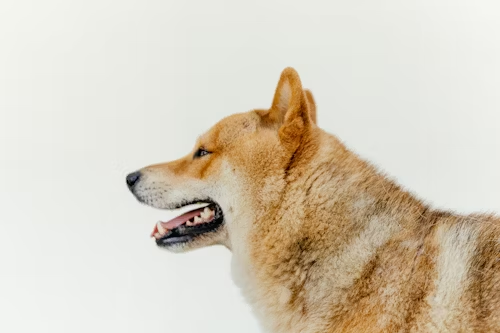

Bird dogs have energy, drive, and strong hunting instincts. That makes them amazing working partners, but also challenging pets when their needs are not met. This guide explains bird dog exercise in a practical way. You will learn how much exercise bird dogs need, what kinds of activities are best, and how to keep them safe and healthy without burning them out.
What Makes Bird Dogs Different From Other Dogs
A bird dog is a dog bred to locate, flush, or retrieve birds. These dogs were developed to work all day in the field while staying focused on the handler. That breeding shows up in daily life. They move more, think faster, and look for jobs to do.
Common Bird Dog Breeds
Common bird dog breeds include pointers, setters, retrievers, and spaniels. These dogs share traits like stamina, strong prey drive, and a deep desire to work with people. Even if you never hunt, the instincts are still there. That is why bird dog exercise must include both mind and body.
Why Exercise Matters For Bird Dogs
Bird dog exercise protects joints and muscles, controls weight, supports heart health, and prevents destructive behavior. Without enough structure, many bird dogs dig, chew, bark, or chase everything they see. Exercise gives them a healthy outlet. It also helps them think clearly in training and stay calmer at home.
How Much Exercise Does a Bird Dog Really Need
There is no single number that fits every dog. Age, health, and lifestyle matter. In general, most healthy adult bird dogs need one to two hours of activity per day. This does not mean nonstop running. Mix physical exercise with training and mental work. On hunting days, your dog may work much harder. Plan rest afterward so the body can recover.
Puppies
Puppies grow fast. Their bones and joints are not ready for long or hard workouts. Keep puppy bird dog exercise short and calm. Use short walks, gentle play, and simple training. Avoid long runs and high jumps. If your puppy limps or seems tired, stop. Ask your vet if you are unsure what is safe.
Adults
Adult bird dogs need steady routines. Give them a mix of running, structured walks, and problem-solving games. Add recall work, retrieves, or nose games. Keep sessions predictable. Tired does not always mean healthy. Balance matters.
Senior Bird Dogs
Older bird dogs still need movement, but the goal shifts to comfort and mobility. Choose softer surfaces and low impact work. Warm up slowly. Watch breathing, stiffness, or pain. If something looks off, your vet should guide you.
Best Types of Bird Dog Exercise
Not all exercise is equal. Bird dog exercise works best when it feels like a job, not just random running.
Field Running and Recall Work
Open-field runs build stamina and confidence. Always practice recall. Keep your dog away from roads, livestock, and hot weather. Safety comes first.
Fetch, Bumpers, and Retrieves
Retrieving builds focus and obedience. Ask your dog to sit before each throw. Let your dog return calmly and place the object in your hand. Controlled work prevents chaos.
Nose and Scent Games
Hide treats or toys and let your dog search. This taps into natural hunting instinct. Mental work tires dogs in a healthy way and reduces stress.
Swimming
Swimming is excellent conditioning and easy on joints. Watch water temperature. Avoid strong currents. Dry ears well afterward. Ask your vet before starting if your dog has health concerns.
Structured Walks With Obedience
A slow walk with rules is more valuable than a wild run. Use heel, sit, stay, and focus commands. This builds discipline and connection.
Exercises to Avoid or Use Carefully
Some activities look fun but can cause injury in bird dogs.
Too Much Forced Running
Running beside bikes or spending long periods on treadmills can damage joints and ligaments. Short, controlled work is safer.
High Impact Jumping
Jumping into trucks, off furniture, or over tall obstacles creates risk, especially for young dogs. Use ramps or lower steps when you can.
Overworking in Heat
Bird dogs overheat fast when they run hard. Drooling, wobbling, and heavy panting mean stop immediately. Move to shade, offer water, and call your vet if the dog does not recover quickly.
Training and Exercise Work Together
Exercise without structure can create a stronger but still unruly dog. Training teaches control and patience.
Short Training Sessions
Keep training short, clear, and positive. End before frustration builds. Small wins build confidence.
Impulse Control
Teach your bird dog to wait, hold position, and ignore distractions. Dogs that learn patience perform better in the field and behave better at home.
Sample Daily Exercise Plans
Bird Dog Puppy Day Plan
- Short walk.
- Five to ten minutes of basic commands.
- Gentle play.
- Plenty of rest and quiet time.
Adult Bird Dog Day Plan
- Morning walk with obedience work.
- Midday scent game or retrieve session.
- Evening field run or structured play.
- Quiet wind down before bed.
Common Mistakes Owners Make
Thinking More Running Fixes Everything
Many owners try to outrun behavior problems. Bird dog exercise helps, but training, sleep, and routine matter too.
No Rest Days
Bird dogs need recovery to avoid injury and burnout. Plan calm days. Rest is part of performance.
Ignoring Injury Signs
Stiffness, limping, licking paws, or reluctance to jump are warning signs. If symptoms last longer than a day, your vet should check.
Safety Tips Every Bird Dog Owner Should Know
Warm Up and Cool Down
Walk slowly for a few minutes before and after exercise. This lowers injury risk and helps joints stay flexible.
Hydration and Breaks
Offer water often. Do not allow hard exercise right after meals because that can raise stomach risks.
Use Proper Gear
A well fitted collar or harness, reflective gear at night, and a long line in open areas can prevent accidents. Avoid harsh tools that cause pain.
FAQs About Bird Dog Exercise
How often should I exercise my bird dog
Most bird dogs do best with daily exercise. Aim for one to two sessions a day rather than one huge workout.
Can I skip exercise on busy days
Yes, but replace it with mental work indoors. Scent games, puzzle toys, and short training can help.
Do bird dogs calm down with age
Energy usually evens out as dogs mature, but strong instincts remain. Training and structure still matter.
How do I know if my dog gets enough exercise
Your dog should sleep well, stay lean, listen better, and show calm behavior indoors. If your dog is restless or destructive, the plan likely needs adjustment.
When should I call a vet or trainer
Call your vet for pain, heat stress, breathing problems, or sudden weakness. Call a trainer if behavior feels unsafe or unmanageable.
Conclusion: Key Takeaways
Bird dog exercise is not only about burning energy. It is about balance, structure, and safety. Mix physical work with mental challenges. Watch your dog’s body, plan rest days, and ask your vet when something feels wrong. When you meet your bird dog’s needs, life becomes easier, training improves, and your dog stays healthier for longer.