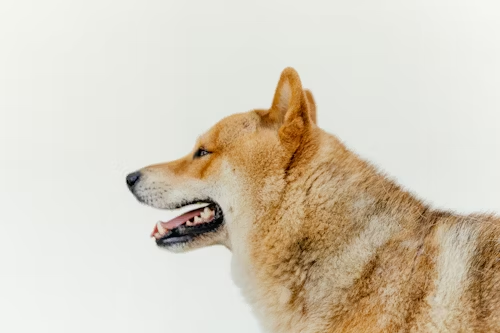

The American Eskimo Dog is bright, loyal, and full of energy. Many people fall in love with the fluffy white coat and friendly smile. But living with this breed takes time, training, and daily attention. This guide explains what to expect, how to care for them, and how to avoid common mistakes so you can decide if this dog truly fits your lifestyle.
What Is An American Eskimo Dog
The American Eskimo Dog is a companion breed known for intelligence, alert expression, and strong bond with family. They come in three sizes: toy, miniature, and standard. All sizes share similar traits, only the size changes. They were bred to be watchdogs and performers, so they are curious and like to stay busy.
Many people assume the breed comes from Alaska. In reality, it developed in the United States from German Spitz type dogs. The “Eskimo” name came from history, not from origin. Knowing this helps explain their smart, energetic nature.
Temperament And Personality
This breed is social and thrives on human interaction. They like to be near their people and do best in homes where someone is around most of the day. They learn fast and often enjoy training sessions, puzzle toys, and games. Without mental work, they can become noisy, frustrated, or destructive.
American Eskimo Dogs can be wary with strangers at first. They are natural watchdogs and will bark to alert. With positive training and controlled exposure, most become confident and polite in public. Harsh corrections usually make behavior worse. Consistency and patience work better.
Size, Appearance, And Coat
The coat is thick, double layered, and white with cream shading in some dogs. The outer coat protects from weather. The inner coat keeps warmth. Shedding is seasonal but regular brushing is necessary all year. Expect loose hair on furniture and clothing.
Their body is compact and athletic. Ears are upright. Eyes are dark and expressive. They are not fragile despite the fluffy look. Good condition and muscle tone matter more than appearance. Overweight dogs have more joint issues and less energy for activity.
Exercise Needs
This breed has high energy for its size. Daily walks, playtime, and short training sessions help them stay calm at home. A bored American Eskimo Dog will invent its own entertainment, which often includes chewing, barking, or escaping.
A good baseline is two meaningful activity periods each day. For example, one brisk walk in the morning and one evening play session with fetch or training. Puppies need shorter, more frequent breaks. If your dog pants heavily, slows down, or resists, you may be doing too much. Rest is important, especially for growing joints.
Training And Socialization
Training should start early. This dog is eager to learn, but also clever enough to test limits. Clear rules, short lessons, and rewards for good choices build trust and reliability. Avoid yelling or punishment. These methods create fear and confusion.
Socialization helps prevent shyness and barking problems. Introduce new places, people, surfaces, and sounds at a calm pace. Reward calm behavior. If your dog freezes, hides, or growls, give space and slow down. If fear worsens, contact a qualified trainer or behavior professional.
Grooming And Coat Care
Brushing two or three times weekly helps remove loose hair and prevents mats. During heavy shedding seasons, daily brushing may be needed. Use a slicker brush and a comb. Work gently so you do not irritate skin.
Baths are only needed when the dog smells or feels dirty. Too many baths strip natural oils and cause dry skin. Keep nails trimmed, ears clean, and teeth brushed. If you notice redness, odor, bald patches, or scratching, schedule a vet exam. Skin problems should not be ignored.
Health And Lifespan
The American Eskimo Dog generally lives 12 to 15 years. Common issues include allergies, dental disease, patellar luxation, hip problems, and eye conditions. Regular checkups help detect concerns early. Weight control, quality food, and exercise all support long term health.
Do not rely on internet remedies for medical issues. If your dog limps, loses appetite, vomits repeatedly, or seems unusually tired, call your veterinarian. Early care prevents bigger problems later.
Diet And Nutrition
Feed a balanced, complete diet appropriate for age, size, and activity level. Good food supports coat, muscle condition, and energy. Overfeeding leads to obesity, joint pain, and shorter life expectancy. Measure meals instead of free feeding.
Treats should be part of the calorie plan, not extra. Table scraps often cause stomach upset and teach begging. If you plan to change diets, do it slowly across one week to prevent diarrhea. Ask your vet for help if your dog has allergies or frequent digestive issues.
Barking And Noise Control
American Eskimo Dogs are vocal. Barking is part of their heritage as alert dogs. Instead of trying to “turn off” barking, teach calm behavior. Give mental work, basic obedience, and structure. Teach a “quiet” cue using rewards when barking stops.
Punishing barking without addressing boredom or anxiety usually backfires. If barking becomes constant or obsessive, consult a trainer to rule out fear, stress, or lack of enrichment.
Living With Children And Other Pets
With proper training and supervision, this breed can live safely with children. Teach children to respect space, avoid rough play, and never pull fur or ears. Always supervise playtime. Dogs should have a quiet place to retreat.
Many American Eskimo Dogs get along with other pets when introduced slowly. Early socialization helps. If your dog shows stiffness, hard staring, or snapping, seek guidance from a trainer instead of forcing interactions.
Is The American Eskimo Dog Right For You
This breed fits households that can provide time, training, and interaction. They do not do well left alone for long hours. They suit active people who like walking, training games, and grooming. If you prefer a low maintenance dog that relaxes all day, this may not be the right match.
Take time to research breeders or rescues. Ask about health testing, temperament, and lifestyle needs. A thoughtful decision protects both you and the dog.
Common Mistakes Owners Make
Many owners underestimate exercise needs and mental stimulation. This leads to barking, chewing, and reactivity. Others ignore grooming until mats form, which can be painful. Another mistake is treating barking only as a “bad habit” instead of a communication signal.
Planning prevents most of these issues. Set routines early. Invest in training. Stay realistic about time commitment. Ask for professional help before problems grow.
FAQs About American Eskimo Dogs
Are American Eskimo Dogs good for first time owners
They can be, but only if the owner is ready to train, groom, and stay consistent. If you prefer a low effort breed, consider another option.
Do American Eskimo Dogs shed a lot
Yes, they shed heavily. Regular brushing controls hair and keeps the coat healthy.
Are they aggressive
They are not naturally aggressive. They can be wary and vocal. Poor training, fear, or lack of socialization can create problems.
Can they live in apartments
Yes, if exercise and mental work are provided daily. Bark control training is very important in shared buildings.
Are American Eskimo Dogs hypoallergenic
No. They produce dander and shed heavily, which can trigger allergies.
How often should they see the vet
At least once a year for healthy adults. Puppies and seniors may need more frequent visits.
Final Thoughts
The American Eskimo Dog is bright, loyal, and rewarding when given time and structure. They thrive with training, activity, and close companionship. They do not suit every home. But in the right environment, they become loving, engaging partners for many years.
If you are unsure whether this breed is right for you, talk with a reputable breeder, rescue group, or your veterinarian. The best decision is the one that supports both your lifestyle and the dog’s needs.